SERVICES
Hazardous Area Designs
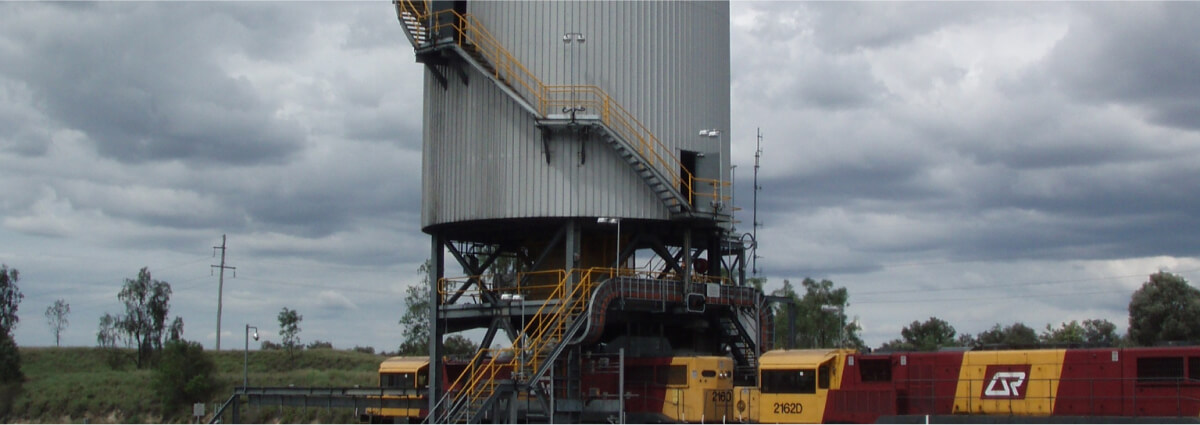
Hazardous area design is the process of identifying, classifying and managing areas where there is a risk of fire or explosion due to flammable or combustible materials. It involves following the relevant standards, such as AS/NZS 3000, AS/NZS 60079.10 and others, and applying appropriate protection techniques, such as intrinsically safe equipment, explosion-proof enclosures, etc
Some of the steps involved in hazardous area design are:
- Identify flammable materials and their ignition characteristics.
- Identify sources of release and their grade
- Determine ventilation and process conditions
- Use all this to determine the type and extent of zone
- Select and locate suitable equipment and wiring systems for the zone
- Document the hazardous area report and drawings
- Verify the hazardous area dossier
- Maintain the hazardous area equipment
Are you looking for more information on any of these steps? Contact Cell Engineering.
Hazardous Area Services
- Hazardous Area Inspections
- Hazardous Area Design
- Hazardous Area Classification
- Hazardous Area Auditing
- Hazardous Areas Verification Dossier
- Conformity Assessment
Our HA Auditor – Qld Govt Licensed is Troy Gallate
Highly skilled Hazardous Area specialist thoroughly versed in all aspects of industrial electrical and instrumentation systems involved in dust and gas hazardous area locations. Troy has completed trade qualifications as well as a bachelor’s degree and masters in engineering. As a Principal Engineer at Cell, he is a resourceful, creative problem-solver with a proven aptitude to analyse, design, manage, and successfully implement process improvements. Troy is one of the nation’s leading engineers bringing together HV/HA auditing, Detailed design experience from over 30 years, functional safety qualifications, power system modelling on multiple platforms and comprehensive Australian Standards knowledge and use.
Hazardous Areas Frequently Asked Questions:
A hazardous zone around a potential leak source is an area where a flammable atmosphere may exist and require special precautions to prevent fire or explosion. The factors that determine the extent and classification of the hazardous zone include:
The type and rate of release of the flammable substance
The physical and chemical properties of the substance
The ventilation and weather conditions in the area
The possible ignition sources in the area
What are the protection techniques and equipment for hazardous areas
There are different protection techniques and equipment for hazardous areas, depending on the type and level of risk involved. Some of the most common methods are:
Containment: This method involves enclosing the electrical equipment in a robust casing that can withstand an internal explosion and prevent it from spreading to the surrounding atmosphere. Examples of containment techniques are flameproof (Ex d), pressurised (Ex p), and encapsulation (Ex m).
Energy limitation: This method involves limiting the electrical energy available in the equipment to a level below the minimum ignition energy of the flammable substance. Examples of energy limitation techniques are intrinsic safety (Ex i), non-incendive (Ex n), and special protection (Ex s).
Avoidance: This method involves preventing the formation of a flammable atmosphere around the electrical equipment by purging it with an inert gas or air. Examples of avoidance techniques are purging and ventilation (Ex p) and oil immersion (Ex o).
A verification dossier is a legal document that shows that the hazardous area installation complies with the relevant standards and regulations. The verification dossier should be updated and maintained throughout the life cycle of the installation. The verification dossier should contain:
- Area classification documents, with plans showing the classification and extent of the hazardous areas
- The applicable equipment group or subgroup for the flammable material
- The temperature class or ignition temperature of the flammable material
- Instructions for the erection and connection of the electrical equipment
- Equipment certificates (including conditions of use) for all the electrical equipment installed in the hazardous areas
- Descriptive system documents for any intrinsically safe systems, including engineering calculations and safety factors
Inspection and maintenance records for all the electrical equipment, including schedules, checklists, and reports
To maintain and inspect hazardous area equipment, you need to follow the requirements of AS/NZS 60079.17, which outlines the types and frequencies of inspections, as well as the documentation and records to be kept. The types of inspections are:
- Visual inspection: This is a non-intrusive inspection that checks for obvious defects, such as missing or damaged parts, corrosion, or signs of overheating. Visual inspections should be done at least every three years for Zone 1 and Zone 21 areas, and every six years for Zone 2 and Zone 22 areas.
- Close inspection: This is a semi-intrusive inspection that checks for defects that require the use of tools, such as loose bolts, glands, or terminals. Close inspections should be done at least every three years for Zone 1 and Zone 21 areas, and every six years for Zone 2 and Zone 22 areas.
- Detailed inspection: This is an intrusive inspection that checks for defects that require opening the equipment or testing its functionality, such as loose connections, insulation resistance, or earth continuity.
- Detailed inspections should be done at least every six years for Zone 1 and Zone 21 areas, and every twelve years for Zone 2 and Zone 22 areas.
An earth grid should be tested and maintained regularly to ensure its functionality and safety. The testing methods include resistance testing, continuity testing, ground or soil resistivity testing and visual inspection. The testing results should be compared with the design specifications and any deviations or defects should be rectified. The maintenance activities include cleaning, tightening, repairing or replacing any damaged or corroded components of the earth grid. Other considerations for earth grids are step and touch and Cell also recommends that a regular inspection and test plan be developed to ensure the system is operating effectively. This is typically an annual test via off-frequency injection test equipment.
Failure to adhere to the obligations under part 27 regarding the Electrical Safety Act 2002 may end in fines to the value of $1,000,000 ($200,000 for an individual) or three years imprisonment.
Under section 153 of the Electrical Protection Regulation 2002, “a person must not connect or reconnect a to any high voltage electrical installation after electrical work has been performed on the installation, unless the electric work was inspected by a certified auditor and found to be electrically safe and compliant with the Wiring Rules (AS/NZS 3000) and other relevant Australian standards, such as AS 2067 (Substations and high voltage installations surpassing 1 kV a.c.)”
Do you have any other questions about high-voltage auditors? Give Cell Engineering a call today.
MANAGING HAZARDOUS AREAS OVERVIEW
| IDENTIFY HAZARDOUS AREAS | Must Do | Risk of Explosion |
|---|---|---|
| Could an explosive atmosphere be present |
|
|
| MANANGE HAZARDOUS AREAS | Minimise risk by | If the HA still exists: |
|---|---|---|
| If a hazardous area is identified |
|
|
| DEVELOP A HAZARDOUS AREAS VERIFICAITON DOSSIER |
|---|
|
| MAINTAIN HAZARDOUS AREAS EQUIPMENT | You Must | Maintenance Work Must |
|---|---|---|
| Using the HA dossier. |
|
Use a Permit to Work system that includes:
|