SERVICES
HV Auditor
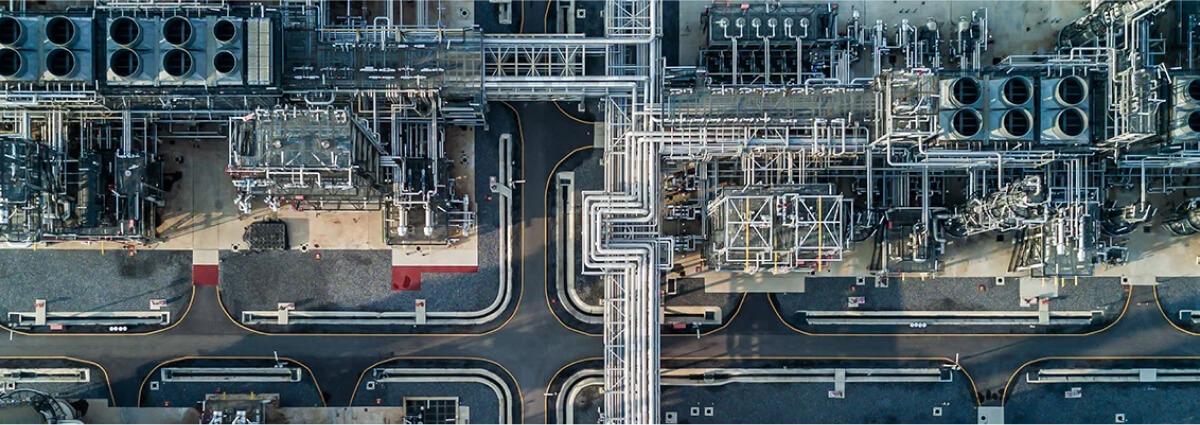
High voltage audits are inspections of high voltage installations by accredited auditors to ensure that they are electrically safe and compliant with the relevant standards and regulations. They are required by law for new or modified installations before they are connected to a source of supply, and they are also recommended for existing installations to identify and mitigate any risks of fire, explosion or injury
Some of the benefits of high voltage audits are:
- They ensure legislative compliance and avoid penalties.
- They assist maintenance planning and minimise downtime or blackouts.
- They increase personnel safety and protect equipment from damage.
- They reduce insurance premiums and liability claims
Do you have a high voltage installation that needs an audit? Give Cell Engineering a call and we will help.
Our HV Auditor – Qld Govt Licensed is Troy Gallate
Highly skilled High Voltage Design and installation specialist thoroughly versed in all aspects of industrial electrical systems.
Troy has completed trade qualifications as well as a bachelor’s degree and masters in engineering.
As a Principal Engineer at Cell, he is a resourceful, creative problem-solver with a proven aptitude to analyse, design, manage, and successfully implement process improvements.
Troy is one of the nation’s leading engineers bringing together HV/HA auditing, Detailed design experience from over 30 years, functional safety qualifications, power system modelling on multiple platforms and comprehensive Australian Standards knowledge and use.
High Voltage Auditors Frequently Asked Questions:
A high-voltage auditor must be a person who has the qualifications, experience and knowledge to inspect high-voltage installations and ensure their compliance with the Electrical Safety Act 2002 and the relevant standards. They must also be accredited by the Electrical Safety Office (ESO) and follow the conditions of the office.
A high-voltage audit is required before a new or modified high-voltage installation is connected or reconnected to a source of electricity. It is also recommended for existing installations to identify and mitigate any risks of fire, explosion or injury.
A high voltage audit involves inspecting the high voltage installation, related electrical equipment and protective equipment to ensure that they comply with the appropriate standards, such as AS/NZS 3000 Wiring Rules, AS 2067 Substations and high voltage installations exceeding 1 kV a.c., etc. The audit also involves preparing an audit report and issuing a certificate that certifies the results of the audit.
A high voltage audit ensures legislative compliance and avoids penalties, assists maintenance planning and minimises downtime or blackouts, increases personnel safety and protects equipment from damage, reduces insurance premiums and liability claims.
Failure to adhere to the obligations under part 27 regarding the Electrical Safety Act 2002 may end in fines to the value of $1,000,000 ($200,000 for an individual) or three years imprisonment.
Under section 153 of the Electrical Protection Regulation 2002, “a person must not connect or reconnect a to any high voltage electrical installation after electrical work has been performed on the installation, unless the electric work was inspected by a certified auditor and found to be electrically safe and compliant with the Wiring Rules (AS/NZS 3000) and other relevant Australian standards, such as AS 2067 (Substations and high voltage installations surpassing 1 kV a.c.)”
Do you have any other questions about high-voltage auditors? Give Cell Engineering a call today.